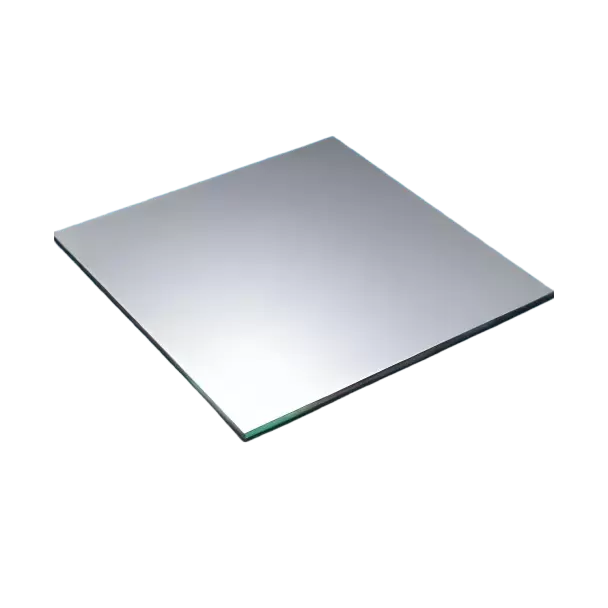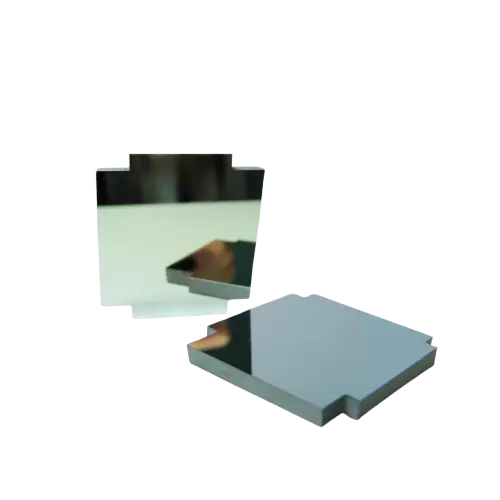
銀鏡は、化学的または物理的な方法を用いて光学基板(通常はガラス)の表面に純銀の層を堆積させ、その後保護層で覆うことで形成される鏡の一種です。銀鏡は酸化しやすい性質があるものの、比類のない高い反射率のため、特定の分野では依然として好んで使用されています。

-Substrate: Usually optical glass (such as K9, fused silica, etc.), requiring a high surface finish and no defects. -Underlayer: Sometimes a layer of other metal (such as copper) is deposited first as a bonding layer to enhance the adhesion between the silver layer and the glass. -Silver Layer: The core functional layer, formed through physical vapor deposition (PVD).
Silver is heated and evaporated or sputtered onto the substrate in a high vacuum environment. This method can obtain a purer, denser, and higher-performance silver film for use in high-end optics.
To overcome the problem of silver's easy oxidation, one or more protective films must be covered on top of the silver layer. Dielectric Protective Film: In the optical field, a transparent, chemically stable dielectric thin film, such as SiO₂ (silicon dioxide) or Al₂O₃ (alumina), is deposited. These films can effectively block moisture and corrosive gases, extending the life of the lenses.
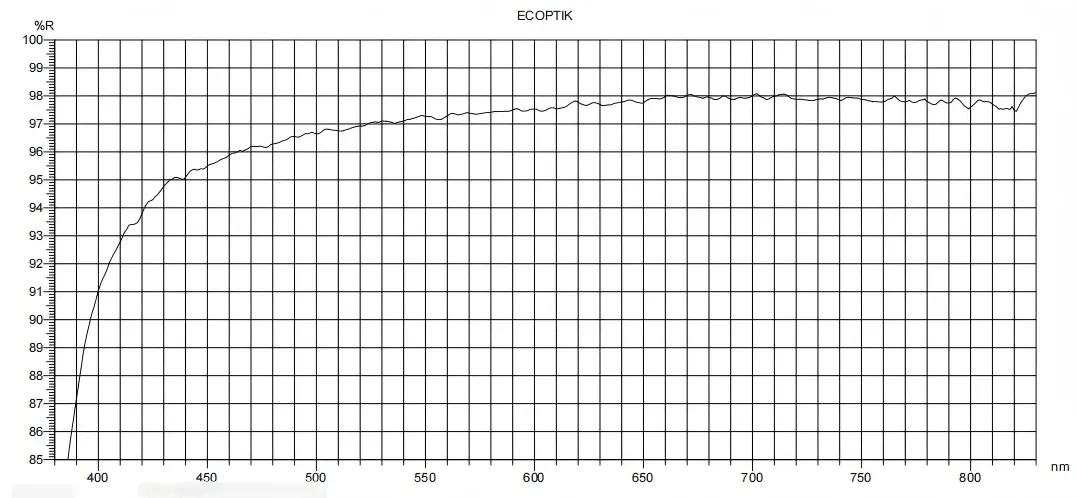
1. Highest reflectivity in the visible light range. 2. Extremely high reflectivity in the near-infrared band, superior to aluminum. 3. For the same reflectivity, silver mirrors can be made simpler (fewer layers) than dielectric film mirrors.




 en
en